A question I keep asking myself lately is: what's left that AI can't just copy?
If I'm being real, a lot of the directories making money from display ads and affiliate today are already really easy to recreate in a week or less.
I don't see any signs of this going away (friendly reminder that Yahoo still has 700 million monthly active users), but then again I don't know what the next 2-3 years hold.
If we look at all internet businesses, the moat and competitive advantage revolves around data that doesn't exist until somebody goes out and gets it (aka proprietary data).
My tiny experiment with data that "didn't exist" until I got it
My plasma donation directory has been my playground for crowdsourcing data, which is one of the main ways people get proprietary data.
In March of this year, I started asking visitors to share how much they actually got paid to donate, and in about 7 months, 866 people have told me their pay and which brand they donated with.
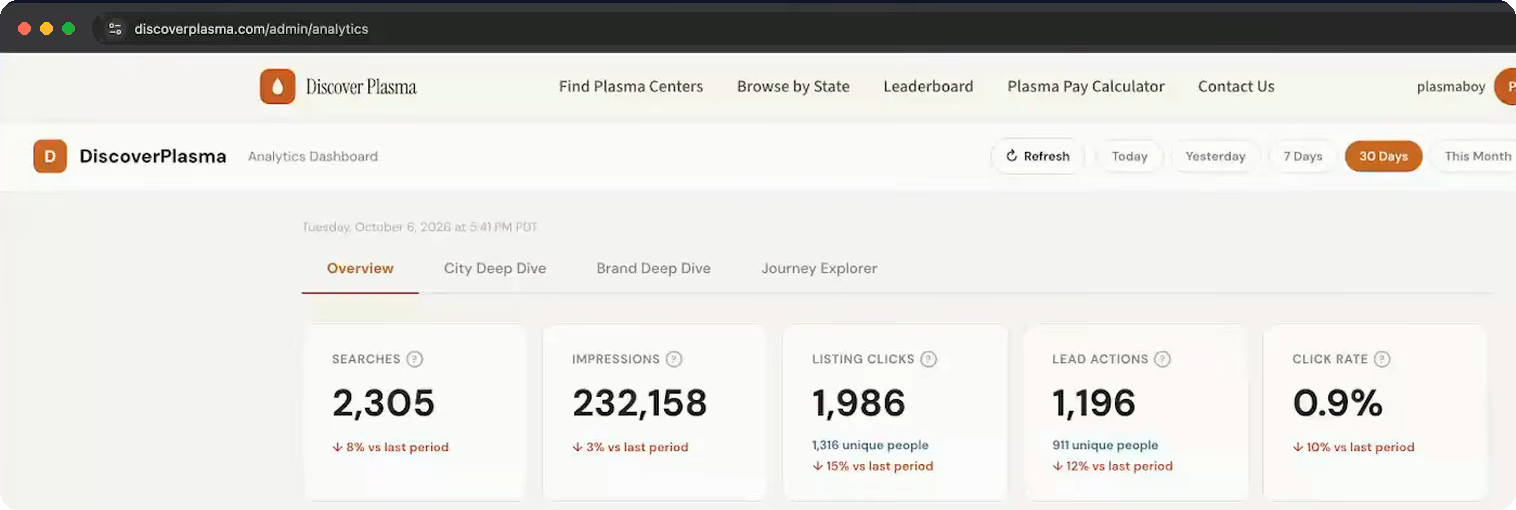
In the last 30 days, 911 unique people clicked through to a center, called one or got directions.
Am I getting rich off of it? Lol no.
Plasma is a really hard niche to monetize, and my data is more of a lead gen machine than something a company would pay for.
But it proved something to me: a regular person with a directory can collect data that literally doesn't exist anywhere else on the internet.
The billion dollar version of this
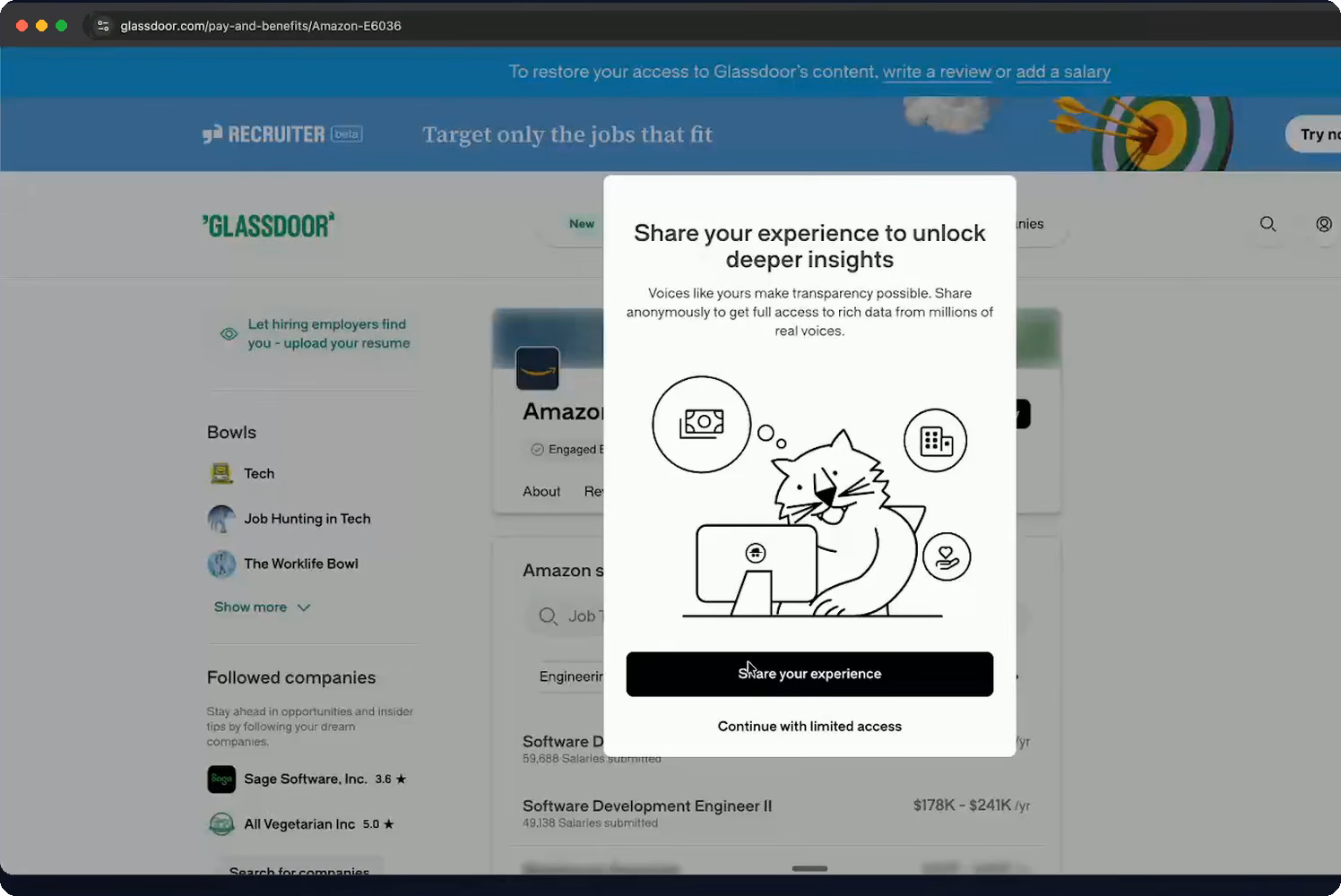
You've probably used Glassdoor before. The first time I landed on it (probably 10+ years ago), it wouldn't show me anyone's salary until I submitted my own.
They asked visitors for the exact information they needed to display, did that millions of times over, and eventually got acquired for $1.2B.
Waze did the same thing with traffic. I remember being mind blown in high school that random drivers were reporting accidents and cops in real time, and Google ended up buying them for over a billion dollars.
My favorite example though is Basepaws, the cat DNA kit company from Shark Tank.
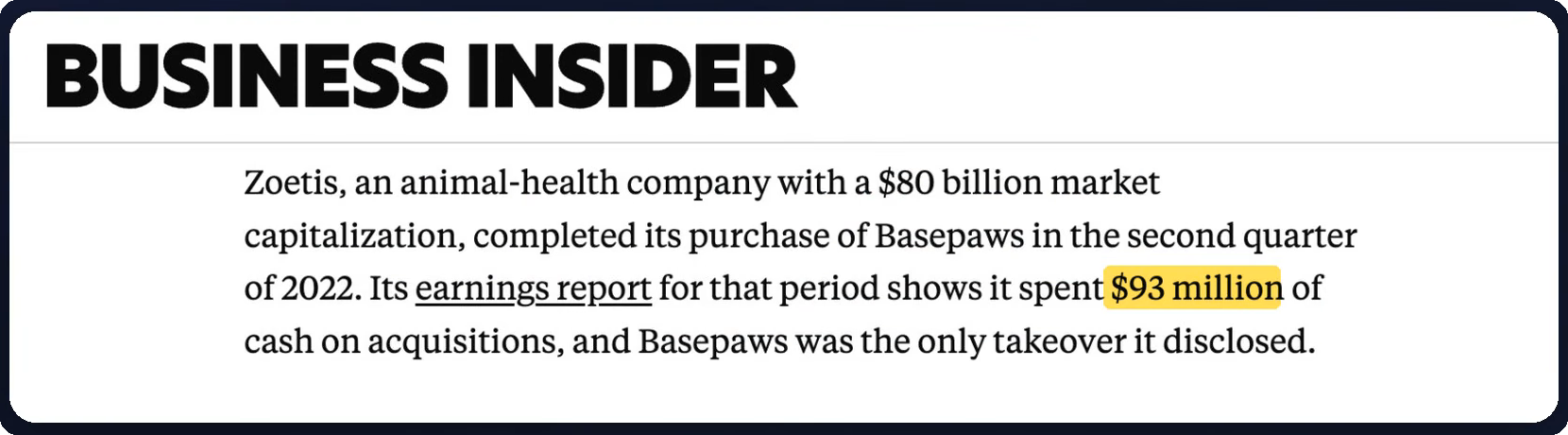
Why would a giant animal health company want a company that sells cat DNA kits? Because Zoetis makes pet medicine, and Basepaws was sitting on a huge pile of real data from real pet owners.
The data was a byproduct of their DNA kits.
It wasn't a situation where BasePaws said "Hey, give me your precious feline DNA. Please and thank you!"
It was, "Here's how you can stay updated on your cat's genetic health risks. It's super easy. Just swab their cheek and send it back to us."
7 things I'd do to crowdsource data smarter
I learned most of this the hard way with plasma, so if I ever did it again, this is the list I'd run through first:
1. The people you serve hop around a lot. Plasma donors switch centers whenever someone pays more, and people switch jobs every couple of years, so there's always fresh data to share. If it's a one time thing (a vasectomy, for example...), it's going to be way harder to get people to tell you anything.
2. There's a real reason to share. For plasma I had to dangle a monthly giveaway and let people post their referral codes so they could earn from it. Glassdoor's incentive is way better though. You get to see everyone else's salary!
3. The info is genuinely hard to find. Self storage prices are already listed on every website, so there's nothing to collect. But contractors and home services? Price transparency is horrible, and that's where I'd be looking.
4. The data changes all the time. Plasma pay changes basically every month. If the answer never changes, nobody needs a Glassdoor for it.
5. The stakes are high enough to care. Nobody is taking time out of their day to tell my thrifting directory what they paid for a lamp, but jobs, housing, your pets or a big contractor quote are a different story.
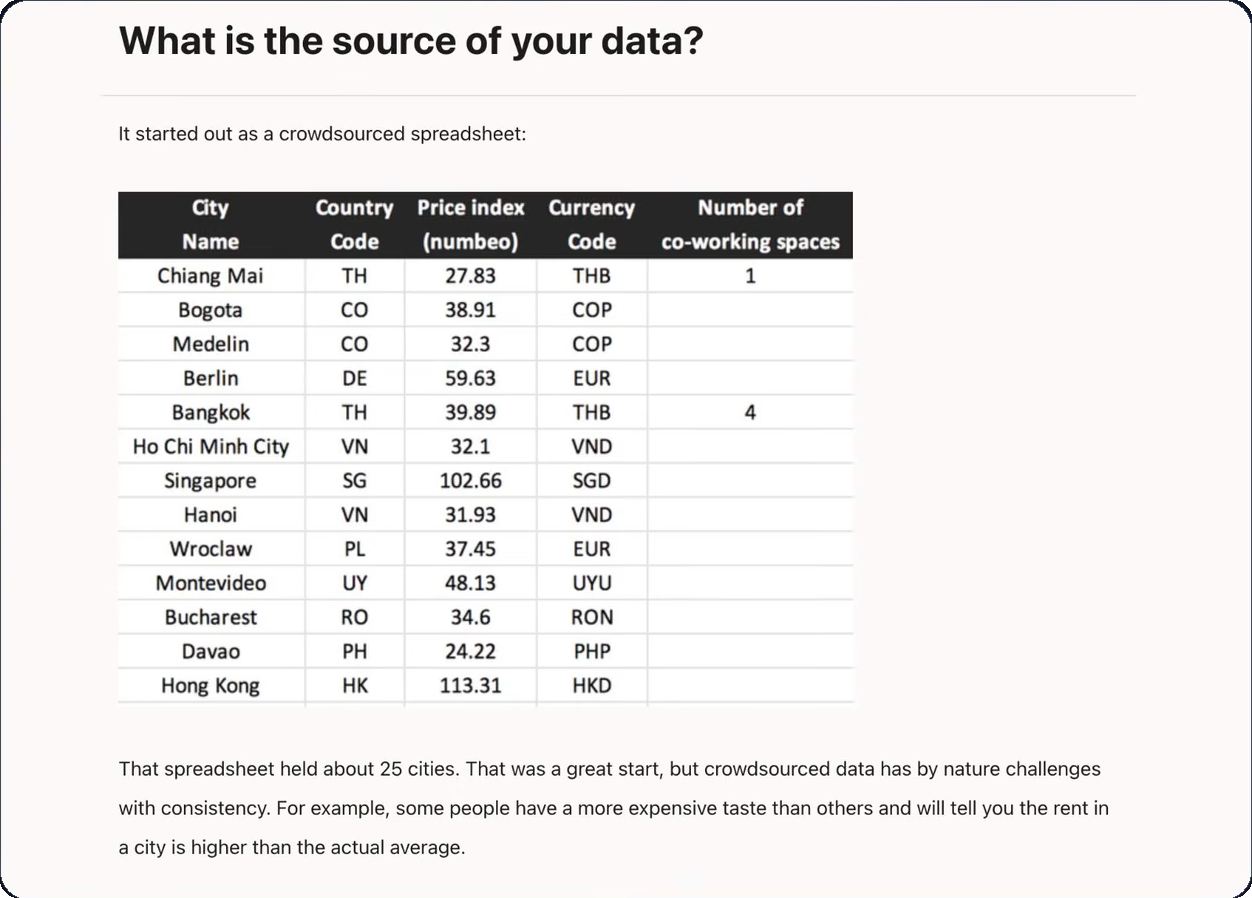
6. You start with a basic directory first.Nomads.com didn't start as a fancy website, it started as a crowdsourced spreadsheet that Pieter Levels shared.
The directory gets you the traffic, and then you ask that traffic for the data.
7. People are actually searching for it. I pulled up "travel nurse salary" and it gets around 35,000 searches a month. No search volume = nobody to collect data from.
Someone is already doing this for accountants
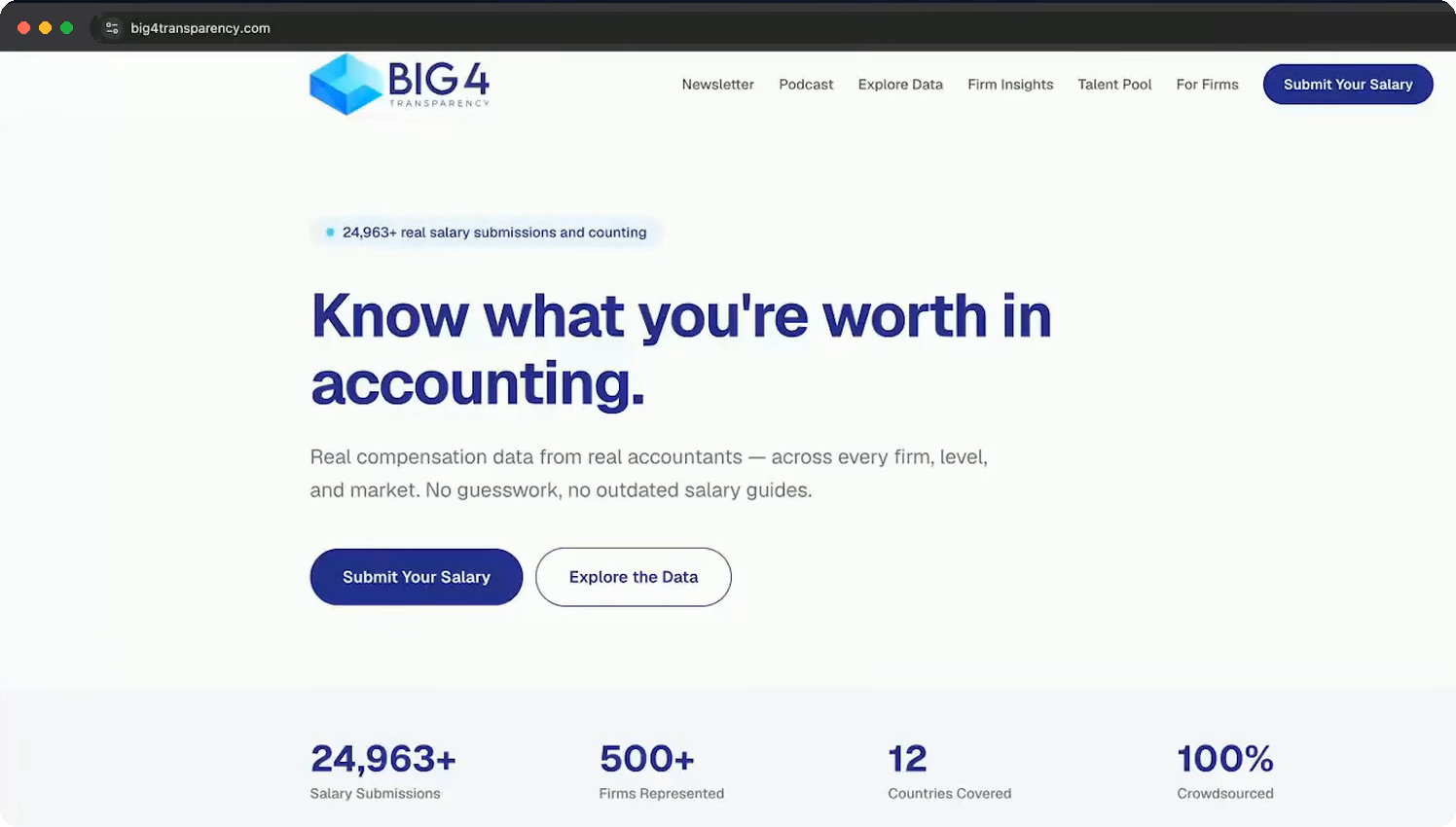
Big 4 Transparency is basically a Glassdoor just for accountants at the big four firms, where you submit your salary anonymously and see how you stack up.
The founder did an AMA in r/Accounting a couple of years ago and said he pays himself $100k a year. He makes money from ads on his podcast and newsletter, intros to firms where he takes a placement fee (and pays the candidate $1,000), and yearly data plans that the firms themselves pay for.
So the firms are paying for data about their own industry. A good reminder that niching down is a good thing for this concept.
If you already have a directory
I think a lot of us have built a directory that gets some traffic but doesn't have a clear direction for monetization.
That might be your seed. You already have the visitors, so the question is what do they know that nobody has written down yet, and what could you give them in return for it?
I'm not going to pretend this is the easy path. It's slower than slapping display ads on a site and you have to get creative with the incentive.
But it's the one thing I'm pretty confident won't get copied anytime soon!
Keep building,
Frey